
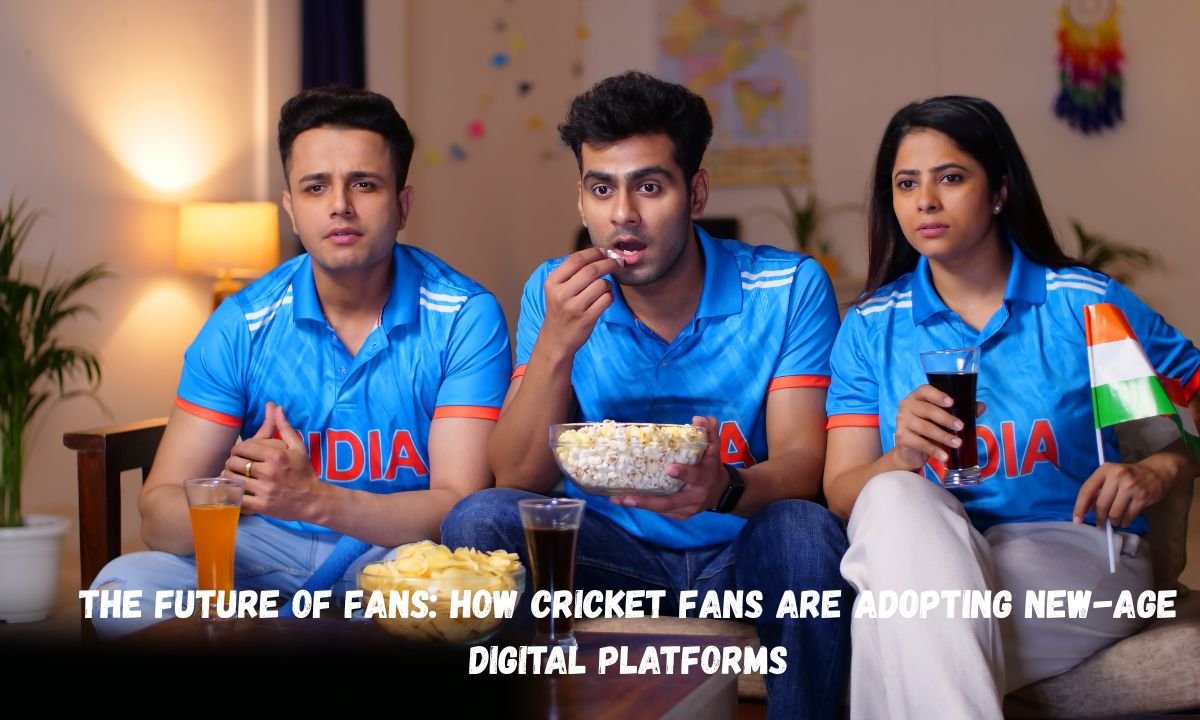

Cricket, long associated with radio commentary and jam-packed stadiums, is about to be reshaped digitally. The modern-day cricket viewer feels no need to watch a match live on television, or at the venue, to get an ephemeral sense that he or she is in touch with the game. Instead, a thriving ecosystem of digital platforms has sprung up that is certainly reshaping how audiences watch, engage with and in some instances participate in cricket. THE sport is in an era where the lines between technology and fandom are becoming increasingly blurred, with everything ranging from real-time analytics to immersive fan engagement tools.
Transitioning from Passive Consumers to Active Participants
Cricket watching, by its very nature, was a passive experience. Fans could watch matches, listen to commentary and discuss what happened afterwards. That model has been flipped on its head on today’s digital platforms. No longer just spectators, fans are now participants.
Live streaming services provide the ability to see multiple angles at the same time and to switch between cameras that are trained on specific players and even behind-the-scenes footage. Simultaneously, real-time statistics dashboards deliver ball-by-ball data, predictive analytics and performance metrics no longer exclusive to analysts and professionals.
Further engagement from social media channels only heightens this behaviour. Fans debate, share their thoughts, make memes and react to key moments in real time as they happen throughout live matches. This real-time interaction fosters a sense of community that transcends geopolitical boundaries.
The Rise of Second-Screen Experiences
The most important change that happened to how we consumed digital cricket was the “second-screen” experience. Fans round out that television or streaming experience with their smartphone or tablet, as they track a match.
But there are second-screen apps where you participate in live polls, trivia, fantasy leagues and interactive scorecards. These tools also keep fans engaged during breaks in play and help them better understand the game. For example, predictive games where participants have to forecast the outcome of the next over or wicket add a new level of excitement that works very well on top of live action.
There are many such platforms and one of them is my10cric, where users can head for a complete ecosystem of matches, stats & audience interaction. This convergence of content and interactivity is revolutionising the relationship that fans have with the sport.
Data-Driven Fandom
Data lies at the heart of modern cricket fandom. Advanced analytics once restricted to team strategists are now accessible to the average fan. These include wagon wheels, pitch maps, conditions-based strike rates and player-vs-player statistics.
That explosion of data has pushed fans to a new level of forensics. You have progressed beyond opinions to discussions informed by data. Discuss team selections, predict match results and analyse player contributions in a way that can oscillate between being eerily accurate and the poor man’s biography equivalent of professional commentators.
The same has been exponentially expedited with fantasy cricket leagues. It introduces genuine investment for fans as they track the performance of a single player across multiple matches before you cascade them into virtual teams. This not only increases audience exposure but further encourages engagement with digital services.
Personalisation and Custom Content
Customisation is another characteristic of new-age digital platforms. There were algorithms that sorted through content based on what users liked, allowing fans to get news specific to their taste. Whether it’s through highlights of a favourite player or receiving notifications for particular teams in a curated newsfeed, personalisation has certainly enhanced user experience.
No longer do you have to factor in time for a show; with streaming platforms, the viewer can tailor their experience. Such customisation — language options, commentary variety, highlights packages — lets fans interact in a way that best works for them. The sort of control that was available here wouldn’t have been possible in the broadcast age.
Anyway, short form is so hot right now. Shorter cricket videos crop up on YouTube, Instagram and TikTok, including match highlights and interviews with players and responses from supporters. These clips are aimed at viewers who likely had little time but hoped to feel they were still in touch with the sport.
The Role of Mobile Technology
Smartphones have been a big part of cricket’s digital revolution. What this means is that, as internet access by volume grows exponentially faster than any alternative coverage methods ever could, fans are able to tune in and read scores and interact with matches more easily than they’ve ever been able to.
Fully Equipped Centers for Cricket Lovers Contain Mobile Applications They have just one interface which has a series of functions — news updates, live streaming, social interaction and analytical tools. That has enabled fans to interact with content far more often and intimately.
Offline capabilities allow users to access content even with limited connectivity, and push notifications ensure fans are kept in the loop every time critical moments happen. In places where television has been established, channels with cellular capabilities have embodied those cricket lusts.
Social Media and Fan Communities
Cricket today is discussed globally via social media. Twitter, Facebook and Instagram offer fans ways to connect with each other, express themselves and reach players and teams directly.
Hashtags in large tournaments trend worldwide, creating a collective euphoria. Fans can make use of communities, forums and discussion groups for detailed analysis and debate. These very conversations do a lot more than simply contribute to a better content experience — they also help build community among fans themselves.
Social media has also been embraced as an engagement tool for players and teams. But behind the scenes clips, training videos and personal updates allow fans to connect with their favourite cricketers on a more intimate level. It is an engaging attempt to manage the humanisation of players and help further build fan loyalty and a stronger emotional connection to the game.
The Emergence of Immersive Technologies
Virtual reality (VR) and augmented reality (AR) will also transform how we watch cricket in the future. VR can capture the environment of stadiums, bringing spectators to “attend” matches from their homes. In contrast, AR overlays real-time data on a live stream and connects the dots to make sense of it for their audience.
These are still some early-adopter technologies but hold great promise. To be able to watch a match where player stats are popping up in your onscreen dashboard, or take a 360-degree experience of the stadium when an over begins and so on. This may herald a new chapter of innovation in digital engagement.
How Digital Cricket became a Business and landed big data monetisation
Unprecedented revenue models for the cricket ecosystem driven by digital platforms. There are significant new revenue streams driven from subscription-based streaming services, in-app purchases, advertising and sponsorships.
Digital platforms allow brands to get in front of their target audiences — social media and search engines provide channels for tailored advertising. As a result, interactive campaigns, gamified experiences, and influencer partnerships are on the rise. Digital monetisation is benefitting not just broadcasters but teams, players and platform providers as well.
Challenges and Considerations
The benefits of the digital evolution have been many; yet, cricket is not all smooth sailing. But issues of data privacy, digital fatigue and digital divide need to be addressed. High-speed internet or advanced devices are not equally available among fans, resulting in a disparity of the viewing experience.
In addition, the amount of content can also be overwhelming at times. It is really important for platform developers to traverse the engagement/simplicity axis. Ensuring accurate information, safety on the platform and combating disinformation are among our priorities.


Leave a Comment